

Warehouse & Logistics
RFID in the Warehouse: From Receiving to Dispatch
Warehouses depend on accurate answers to simple questions: what arrived, where is it, and did the right goods leave? Manual scanning and paper steps make those answers slow and error-prone. RFID captures events automatically at the points where goods move.
Receiving
Tags on pallets or cartons are read as they pass a dock-door reader, and the system compares them with the purchase order or delivery note. Missing and extra items are flagged while the truck is still at the dock.
Put-away
When stock is placed in a location, the system records where it went. Staff and systems then find items quickly instead of searching bays and racks.
Cycle counts
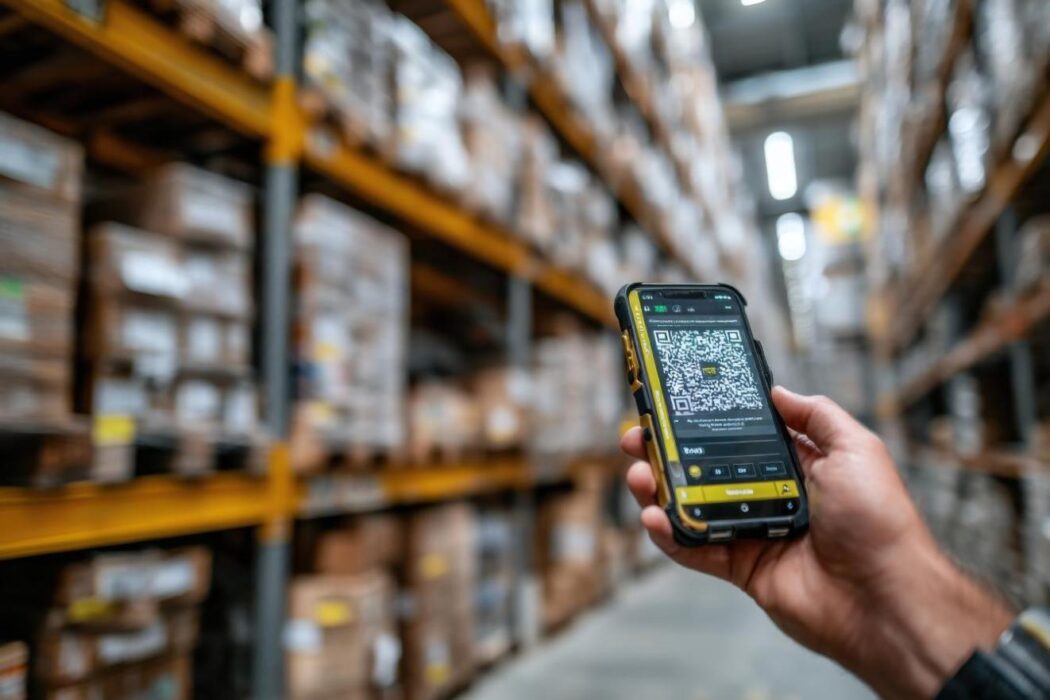
A handheld reader can count tagged items on a rack by walking past it. Counts become routine and short, so records stay close to reality instead of drifting between yearly stocktakes.
Picking
Pickers confirm items by scanning, and the system checks the pick against the order. Wrong items are caught before packing.
Dispatch
Readers at the loading door compare what is leaving with the order. An alert is raised if something is missing or does not belong, before the vehicle leaves.
Returnable assets
Pallets, roll cages and crates can be tagged to show which customer has them and for how long, helping you recover them.
Where to start
Pick one flow, such as receiving or dispatch at one dock, run a pilot and compare accuracy and handling time with your current process. Then extend step by step.
Read more about the Warehouse & Logistics Management solution, or see how it applies to logistics providers.
Want to see how this works for your organisation? Book a demo or explore Warehouse & Logistics Management.
Not sure where to start?
Tell us about your organisation, and we will suggest the right first step.